
Barre Pilates focuses on controlled, small-range movements that enhance core strength, flexibility, and muscle endurance through isometric holds, targeting stabilizing muscles and posture. Traditional gym workouts use high-resistance, compound movements to build maximal strength, bulk, and power with greater calorie burn options. Barre offers structured classes and mindful flow, while gyms provide independent routines and broader access. The ideal choice depends on individual fitness goals, preferences, and lifestyle. Further exploration reveals deeper differences in training effects and accessibility.

Understanding Barre Pilates: What It Is and How It Works
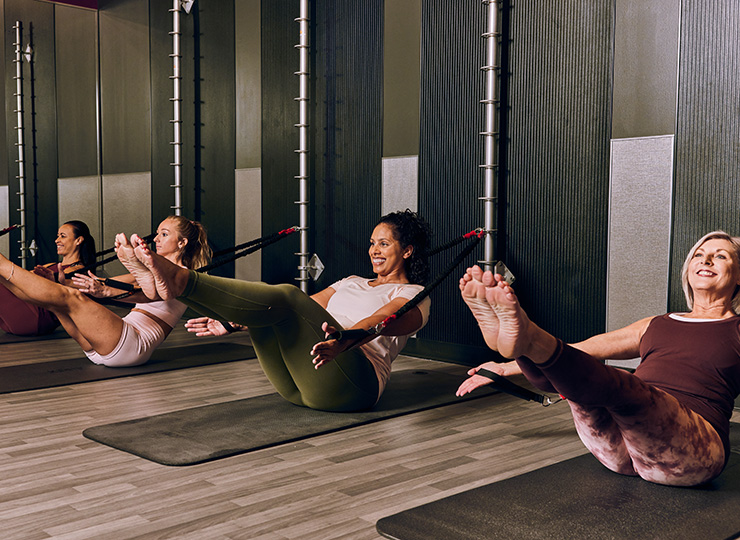
Barre Pilates is a fitness method combining elements of ballet, Pilates, and yoga to enhance strength, flexibility, and posture. It focuses on small barre class KL, controlled movements that target specific muscle groups, promoting muscle endurance and alignment without heavy impact.
The practice emphasizes core engagement and breath control, fostering body awareness and balance. Typically performed using a ballet barre for support, Barre Pilates encourages fluidity and grace, allowing practitioners to move freely within their range of motion.
This method cultivates a strong yet flexible body, aiding in injury prevention and overall well-being. By blending precision with flow, Barre Pilates offers a structured yet liberating approach to fitness, appealing to those seeking a disciplined practice that nurtures both physical freedom and mindful movement.
Understanding Traditional Gym Workouts
While Barre Pilates emphasizes controlled, low-impact movements to build strength and flexibility, traditional gym workouts often focus on a broader range of exercises designed to improve overall fitness through resistance training, cardiovascular activity, and functional movements.
Traditional gyms provide diverse equipment such as free weights, machines, treadmills, and rowing machines, allowing individuals to tailor workouts to personal goals. This approach encourages independence, enabling users to select intensity, duration, and exercise types that suit their preferences and schedules. The variety supports freedom in training styles, whether aiming for muscle building, endurance, or weight loss.
Traditional gym environments foster self-directed routines and adaptability, appealing to those who prefer a more varied, autonomous fitness experience without strict class structures or movement patterns.
How Barre Pilates and Gym Workouts Target Different Muscles
Barre Pilates and traditional gym workouts employ distinct muscle engagement techniques that influence their effectiveness. Barre Pilates emphasizes small, controlled movements to target stabilizing muscles and improve posture. In contrast, gym workouts often focus on larger muscle groups through compound movements to build overall strength.
Muscle Engagement Techniques
Through distinct approaches to movement, Pilates and traditional gym workouts activate muscles in unique ways. Barre Pilates emphasizes controlled, flowing motions combined with isometric holds, engaging smaller stabilizing muscles often overlooked in conventional training. This method encourages mindful activation, fostering a connection between breath, core, and limbs.
In contrast, traditional gym workouts typically rely on repetitive, high-resistance movements targeting major muscle groups through dynamic contractions. These exercises prioritize strength and hypertrophy by isolating muscles with weights or machines. While gym routines often involve maximal effort over fewer repetitions, Barre Pilates focuses on endurance and precision through sustained tension and fluid progressions.
Both techniques offer valuable muscle engagement but differ fundamentally in execution, allowing individuals the freedom to choose a practice aligned with their movement preferences and fitness goals.
Targeted Muscle Groups
With respect to targeted muscle groups, Barre Pilates and traditional gym workouts emphasize different areas of the body based on their distinct training principles. Barre Pilates primarily engages smaller stabilizing muscles, focusing on the core, glutes, inner and outer thighs, and postural muscles through controlled, low-impact movements. This approach fosters balance, flexibility, and muscle endurance.
In contrast, traditional gym workouts often target larger muscle groups such as the chest, back, quadriceps, and hamstrings, using heavier weights and compound exercises to build strength and mass. While Barre Pilates promotes long, lean muscle development and functional stability, gym routines typically prioritize muscle hypertrophy and maximal strength. Each method offers a unique path to physical freedom, allowing individuals to choose training that aligns with their personal fitness goals and lifestyle preferences.
Which Workout Fits Your Fitness Goals Best?
Choosing between barre pilates and traditional gym workouts often depends on individual fitness goals. Each approach offers distinct benefits in strength building, flexibility, and calorie burn.
Understanding these differences can help determine which workout aligns best with personal objectives.
Strength Building Differences
When comparing Barre Pilates and traditional gym workouts, the primary distinction lies in their approaches to strength development. Barre Pilates emphasizes controlled, small-range movements targeting muscle endurance and toning, while traditional gyms focus on heavier resistance for muscle mass and power.
Key differences include:
- Muscle Engagement: Barre Pilates uses bodyweight and light resistance to activate stabilizing muscles; gyms often employ machines and free weights for larger muscle groups.
- Intensity: Traditional gyms allow progressive overload for maximal strength gains; Barre Pilates maintains consistent, moderate resistance.
- Movement Style: Barre Pilates integrates isometric holds and flowing sequences; gym workouts emphasize isolated lifts and compound exercises.
- Goal Alignment: Barre suits those seeking lean, functional strength; gyms cater to those aiming for bulk and maximal force.
Choosing depends on whether one values freedom in fluidity or raw power.
Flexibility And Mobility
Beyond strength development, flexibility and mobility represent key factors in determining which workout aligns best with individual fitness objectives. Barre Pilates emphasizes controlled, flowing movements that lengthen muscles and enhance joint range of motion, fostering a graceful, unrestricted body. This approach suits those seeking to improve overall flexibility while maintaining muscular tone.
Traditional gym workouts often focus on isolated muscle strengthening, which may not prioritize joint mobility or dynamic flexibility unless specifically incorporated. However, gym routines can be adapted with stretching and functional exercises to support mobility goals. Ultimately, individuals aiming for fluid movement and a balanced, limber physique may find Barre Pilates more aligned with their desire for freedom in motion, while traditional gym workouts offer customizable options for combining strength with flexibility depending on personal commitment.
Calorie Burn Comparison
Comparing calorie burn between Barre Pilates and traditional gym workouts reveals distinct differences that influence which exercise best supports specific fitness goals.
Barre Pilates typically burns fewer calories per session compared to high-intensity gym workouts but offers sustained muscle engagement and toning. Traditional gym exercises often include cardiovascular and strength training components, leading to higher calorie expenditure.
- Barre Pilates averages about 300-400 calories per hour, focusing on controlled, low-impact movements.
- Traditional gym sessions can burn 400-600 calories or more, depending on intensity and activity type.
- Barre Pilates emphasizes endurance and muscle definition with moderate calorie burn.
- Gym workouts provide more variability, suiting those prioritizing weight loss or high-energy output.
Choosing between them depends on whether freedom in movement or maximizing calorie burn aligns with personal fitness goals.
Comparing Time, Cost, and Accessibility of Barre Pilates and Gym Workouts
Allocating time efficiently and managing expenses are essential factors influencing fitness choices between Barre Pilates and traditional gym workouts. Barre Pilates classes typically last 45 to 60 minutes and often require booking in advance, which may limit spontaneous sessions. In contrast, gyms usually offer 24/7 access, allowing users to work out anytime, providing greater scheduling freedom.
Regarding cost, Barre Pilates classes tend to be pricier per session due to specialized instruction, while gym memberships can vary widely, often offering more affordable monthly rates. Accessibility also differs; gyms are commonly found in most urban areas, equipped with diverse machines and facilities, whereas Barre studios might be less prevalent, especially outside major cities. Individuals seeking flexible timing and broader location options may prefer gym workouts, while those valuing guided, focused sessions might lean toward Barre Pilates.
Choosing Between Barre Pilates and the Gym for Long-Term Success
Deciding between Barre Pilates and traditional gym workouts for sustained fitness depends largely on individual goals, motivation, and lifestyle compatibility. Each option offers distinct pathways to long-term success, shaped by personal preference and freedom in routine.
- Goal Alignment: Barre Pilates suits those seeking enhanced flexibility and core strength; the gym supports varied objectives, from muscle building to cardio endurance.
- Motivation Style: Barre’s structured classes foster community and accountability, while gym workouts allow independent pacing and exploration.
- Lifestyle Fit: Barre’s time-efficient sessions benefit busy schedules; gyms often demand more time commitment but provide diverse equipment access.
- Sustainability: Enjoyment and adaptability are key—choosing the environment that inspires consistency guarantees lasting results without constraint.
Ultimately, long-term success thrives on freedom to select what resonates personally.
Conclusion
Barre Pilates and traditional gym workouts offer distinct approaches to fitness, each targeting muscles differently and catering to varied goals. Barre Pilates emphasizes low-impact, controlled movements enhancing flexibility and posture, while gym workouts often focus on strength and cardiovascular conditioning. Time, cost, and accessibility also differ between the two. Ultimately, the choice depends on individual preferences and long-term objectives, with both options providing effective paths to improved health and fitness.
